Project manager overview
What each system does, what limits it, how it affects schedule, cost and risk, and which questions to ask the vessel and the contractor.
Subsea IC presents
Walk onto your first vessel knowing what the ROV, crane, survey and DP teams need from you, and what to check before you sign off. Practical training for graduate engineers and new project managers, built from real campaigns.
No payment nowFree ROV job aid when you joinUnsubscribe any time
Every module comes from real work offshore: platform inspections, umbilical replacements, tiebacks and span rectification, from around the world.
Ten modules that give graduate engineers and new project managers a working grasp of vessel-based subsea operations: what the ROV, crane, survey and DP teams do, what limits them, and what you're expected to check.
Most graduates arrive strong on design and process but new to how a subsea vessel actually works. That knowledge is usually picked up slowly, offshore. This course gets it in place first.
It's built around five real campaigns, anonymised: a greenfield tieback, a multi-scope ROV inspection campaign, integrated commissioning, a pipeline free-span rectification and a North Sea ROV vessel mobilisation. It follows IMCA guidance, LOLER, NORSOK and DNV, and where contractors do things differently, you learn the range, not one company's way.
Same modules, same case studies. Pick the depth that matches your role.
What each system does, what limits it, how it affects schedule, cost and risk, and which questions to ask the vessel and the contractor.
Everything in the overview, plus optional deep dives into how the equipment works, the standards behind it, and worked examples.
Vessel and client context first, then the equipment.
How a subsea project runs from award to close-out, what “ready” means, and how the Go/No-Go decision is made. Includes a downloadable readiness tracker.
What a vessel can and can't do: deck space, weather, crewing, who holds which authority, and running simultaneous operations (SIMOPS) safely.
ROV system audits (IMCA R006), vessel inspection (eCMID), DP trials, crane and lifting audits, and the client's fit-for-use check.
Vehicle classes, how a work-class remotely operated vehicle (ROV) is built, what it can and can't do, and resident and hybrid vehicles.
Launch and recovery systems (LARS), tether management systems (TMS) and tether handling: getting the ROV in and out of the water, and the sea states that stop it.
Subsea cranes, load charts and weather limits, with LOLER as the baseline alongside NORSOK, DNV and IMCA guidance.
Dynamic positioning (DP) systems, ultra-short baseline (USBL) acoustic positioning such as HiPAP, and survey grids.
Visual inspection, non-destructive testing (NDT), cathodic protection (CP), photogrammetry, laser and 3D models for integrity assessment.
Intervention tooling and skids, and the vessel interfaces for a hosted installation and workover control system (IWOCS) spread.
Uncrewed surface vessels (USVs) deploying ROVs, remote operation centres, comms loss, AUVs and resident ROVs, and the regulation catching up.
Lessons are illustrated with stills from real subsea work, cleaned of anything that identifies the asset.
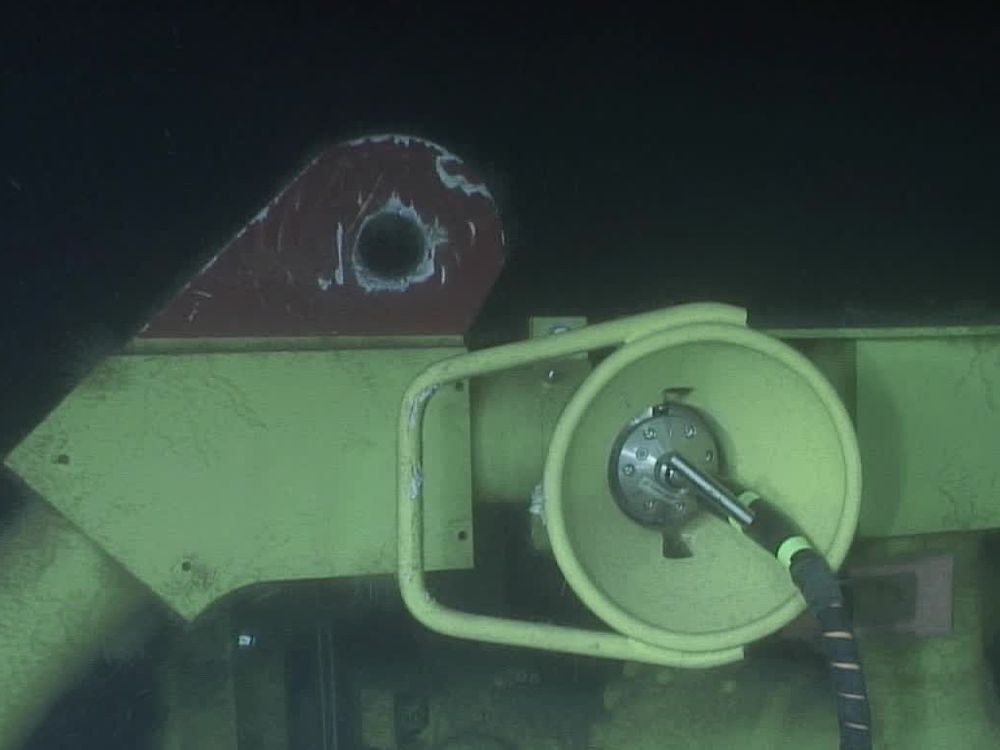
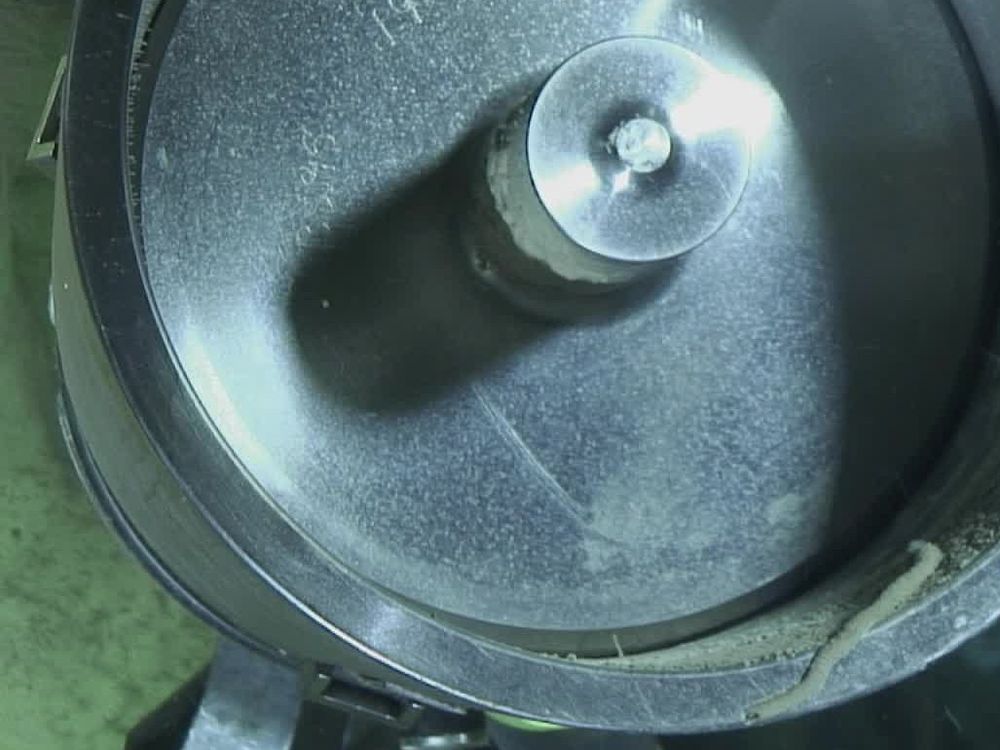
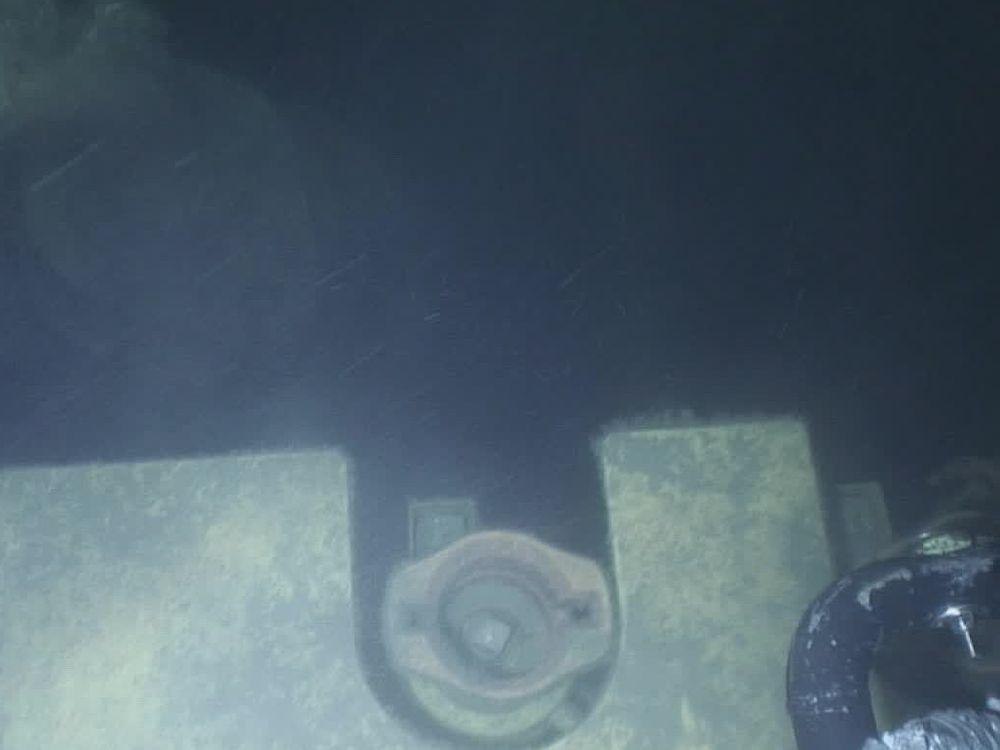
Built for use back at work, not just completion.
Three calls from the module 4 capstone. About two minutes.
Nothing is released on one person's say-so.
Every module is built around anonymised work our team has run offshore, so the situations are ones you'll actually meet.
A technical review against current offshore practice, then sign-off by an independent subject matter expert.
IMCA guidance, LOLER, NORSOK and DNV, and where contractors work differently, you learn the range.
Launching self-paced and as a company licence. Cohort groups to follow.
Prices are in US dollars (USD). Individual prices include any VAT or sales tax due at checkout. Company licences are invoiced directly.
Plus a free one-page job aid: “What the ROV team means when they say…” Eight ROV reports and the question to ask for each.
Subsea IC is growing into a home for offshore learning. Here's what comes next.
Webinars that walk through real projects step by step: what went right, what changed on deck, and why.
Small-group programmes for engineers and technicians stepping up to supervisor and client roles.
Experienced offshore and subsea specialists to help you plan, sense-check and verify scopes of work, procedures and project plans before you mobilise.
A podcast with offshore crews, from pilot technicians to client reps and vessel masters.
Get the $750 launch price (save $250), launch dates first, webinars and the podcast.
Free when you join: the one-page ROV job aid “What the ROV team means when they say…”
$750 launch price
Save $250 · free ROV job aid